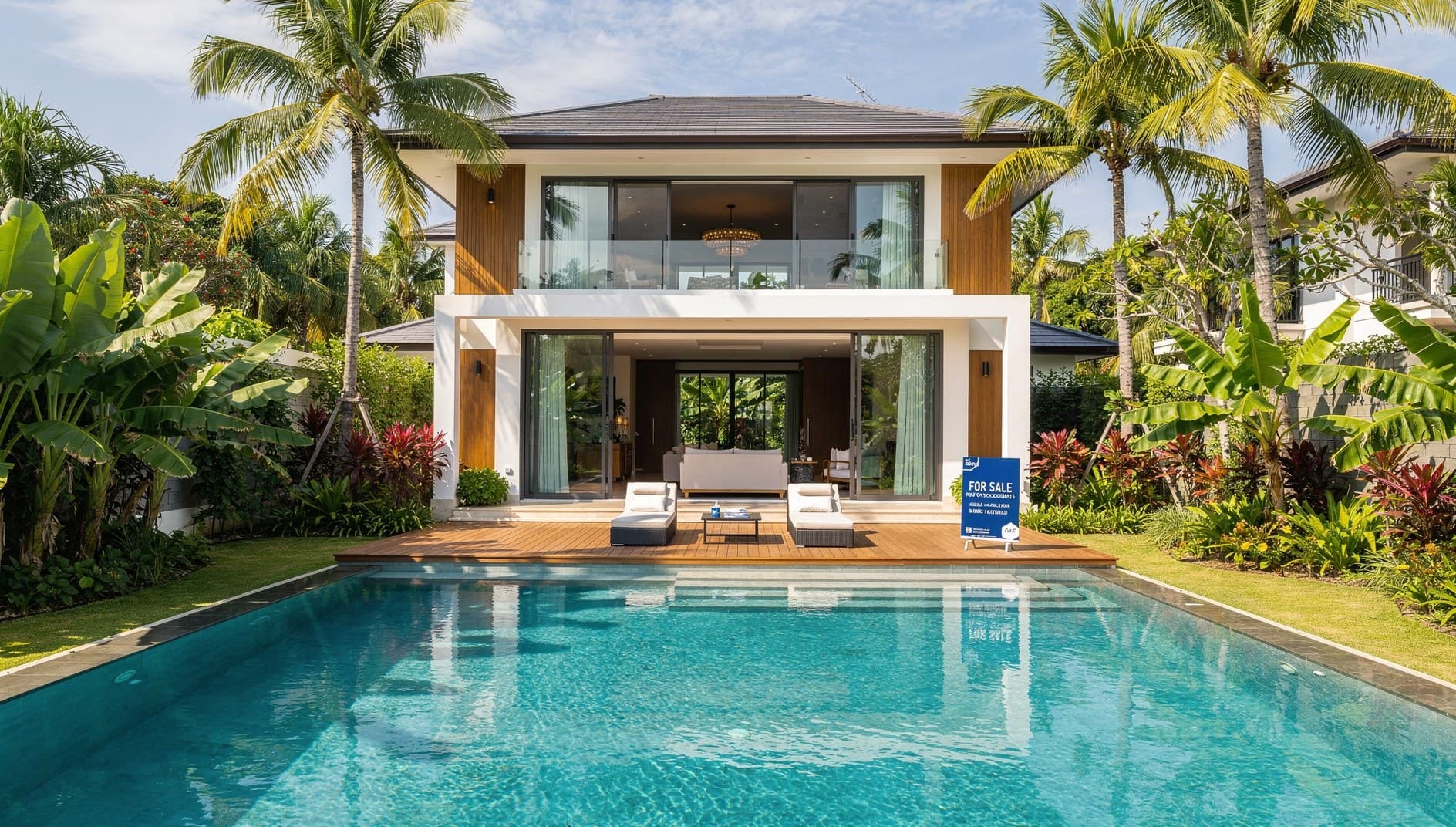
A buyer checklist for Phuket condo and villa insurance: building cover, contents, public liability, flood, hillside, pool and rental-use exclusions.
Insurance is easy to leave until the end of a Phuket purchase, but it should be reviewed before completion. The right policy depends on whether you buy a condominium unit, a villa in an estate, or a standalone house with private land-use rights.
Quick answer
Before transfer or handover, confirm what the building, estate or developer already insures, what remains your responsibility, whether rental use is covered, and which exclusions apply to flood, storm, hillside retaining walls, pools, staff areas and vacant periods.
Buyer checklist
| Check | Why it matters |
|---|---|
| Building policy | A condo may insure the structure but not your contents or liability |
| Villa estate cover | Common areas may be insured separately from the private villa |
| Rental use | Short-stay and long-stay letting can change policy terms |
| Water and storm | Flood, roof leaks, drains and pumps need clear wording |
| Hillside risk | Retaining walls, access roads and landslip may be excluded |
| Claims process | Manager, juristic office and owner roles should be clear |
Phuket context
Insurance due diligence is especially important for sea-view villas in Kamala, Kata, Karon, Patong hills and Layan, and for managed condos in Bang Tao, Rawai, Nai Yang and Patong. A glossy rental forecast does not replace policy wording.
Use this with the hillside villa checks, rainy-season property checks, property management guide, buy services and manage services.
CTA
Fact-check flags
Insurance availability, exclusions, premiums, rental-use rules and claim procedures vary by insurer, property, estate and date. Confirm the current policy wording with a licensed broker or insurer before completion.
Compare properties before you buy
Start with the location and buying goal. Compare handover dates, ownership options and payment terms; confirm the current price and availability for the selected unit.